
Choosing new windows and doors is a significant investment in your home. Most homeowners naturally compare styles, colours, glass options, and prices, but there is another important question to ask:
Who actually manufactures the product?
The manufacturer behind your windows and doors can influence their energy performance, durability, operation, and long-term reliability.
For homeowners comparing window and door manufacturers in Ontario, it helps to look beyond marketing claims and understand how the products are made, tested, and designed for Canadian conditions.
Here are the key things to consider before choosing a window and door manufacturer.
Choose a manufacturer that understands Ontario’s climate
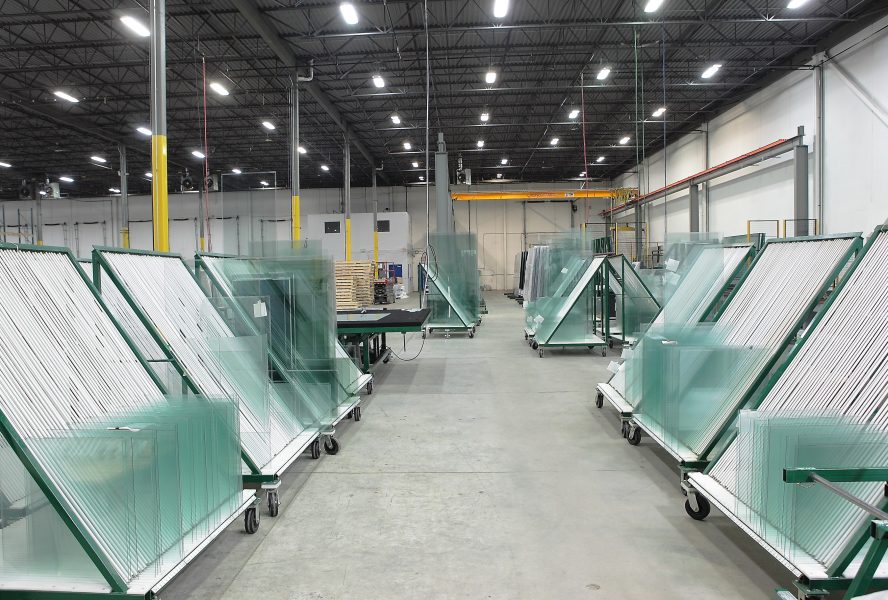
Ontario windows have a demanding job.
They need to perform through freezing winter temperatures, hot summer days, strong sunlight, wind-driven rain, humidity, and significant seasonal temperature changes.
That means a good window should do more than look attractive. It should be designed to help:
- reduce heat loss
- control solar heat gain
- limit drafts and air leakage
- manage rainwater
- improve indoor comfort
- support year-round energy efficiency
- withstand changing weather conditions
When comparing manufacturers, ask whether their products were designed and tested with Canadian conditions in mind.
At Stage Windows & Doors, window systems combine insulated glass packages, engineered PVC profiles, drainage systems, reinforcement options, and tested performance to create products designed for Canadian homes.
Find out how the windows and doors are made
Manufacturing quality starts long before the finished window arrives at your home.
Cutting, machining, glass preparation, sealing, assembly, and quality control all require precision. Small inconsistencies during manufacturing can affect how well the finished product fits, seals, and performs.
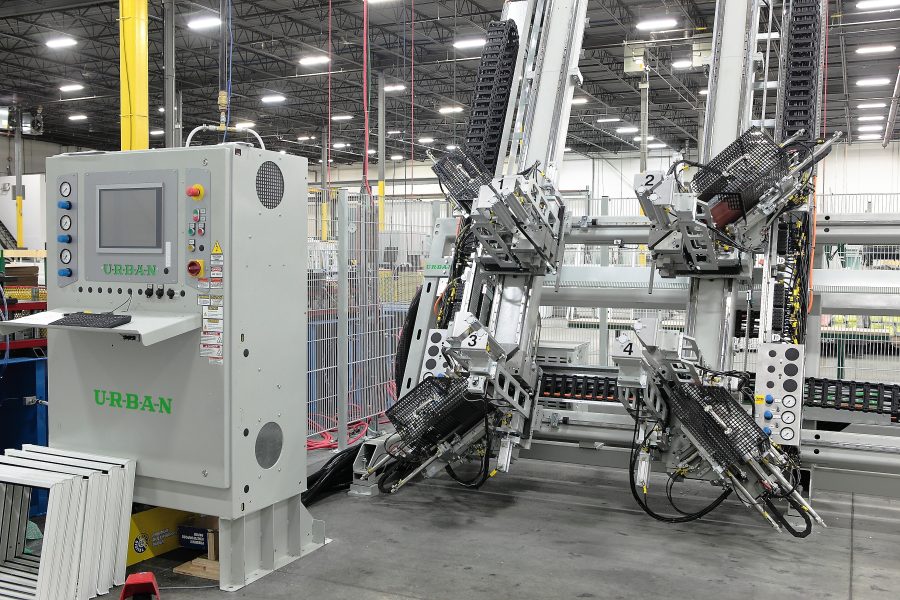
Stage uses specialized production equipment from established international manufacturers, including:
- URBAN German-designed PVC machining equipment
- Bottero automated glass-cutting technology from Italy
- Graco hot-melt pumping systems from the USA
- Billco glass-washing equipment from the USA
- Forel automated glass-sealing technology from Italy
- TigerStop high-precision cutting equipment
Stage manufactures its products in-house rather than simply buying finished windows or patio doors from another supplier and reselling them. We also produces its own insulating glass units, giving the company greater control over product quality, production schedules, and lead times.
For customers and dealers, that means fewer outside dependencies, more consistent production, and a better ability to meet promised delivery timelines.
When researching a window manufacturer, look for a company that is transparent about where and how its products are produced.
Look for independent testing, not just marketing claims
Words such as premium, high-performance, and energy-efficient appear everywhere in the window industry.
Independent testing gives those claims context.
A reputable manufacturer should be able to provide tested performance information and explain the standards its products are designed to meet.
Stage manufacturing operations work within recognized certification and performance programs, including NFRC certification requirements. Learn more on Stage Industry Standards Page – Industry Standards | Stage Windows & Doors
NFRC certification helps verify energy-performance characteristics and provides manufacturing oversight to help ensure certified products continue to be produced consistently with tested configurations.
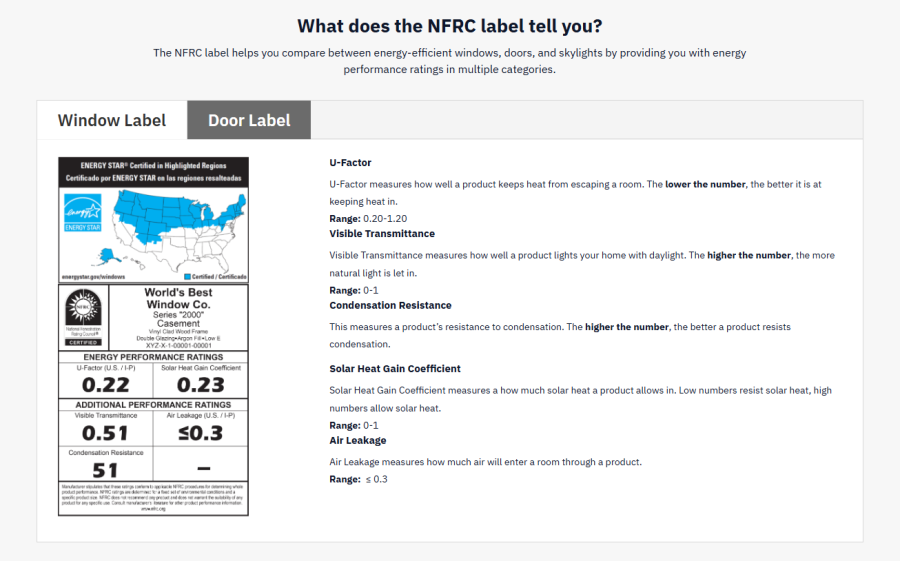
Resource – National Fenestration Rating Council – National Fenestration Rating Council
Stage also offers window systems designed and tested to applicable NAFS requirements, including NAFS-22 configurations. Explore more about NAFS standards here – What you Need to Know about NAFS in Canada – Blog – RDH Building Science
NAFS evaluates important aspects of window and door performance, including resistance to:
- air leakage
- water penetration
- structural pressure
For homeowners, you do not need to memorize the abbreviations.
The key question is:
Has the product’s performance been independently evaluated, or am I simply being asked to trust a marketing claim?
Understand what ENERGY STAR performance really means
Energy efficiency is especially important when choosing windows in Ontario.
But seeing the words ENERGY STAR should be the beginning of the conversation, not the end.
A window’s energy performance depends on several factors, including its frame, glass, coatings, airtightness, and overall construction.
Stage offers window configurations designed to meet applicable ENERGY STAR requirements.
When comparing products, ask for the actual performance ratings rather than relying solely on the label.
Some of the most useful numbers to understand are:
U-Factor
U-factor measures how quickly heat passes through a window.
Lower is generally better.
A lower U-factor means the window provides greater resistance to heat transfer, which is particularly valuable during Ontario winters.
Energy Rating
Energy Rating, or ER, considers several factors together, including heat loss, solar heat gain, and air leakage.
A higher ER generally indicates stronger overall energy performance.
Solar Heat Gain Coefficient
SHGC measures how much solar heat passes through the glass.
A higher or lower number is not automatically better. The right choice depends on factors such as window orientation, sun exposure, and the homeowner’s priorities.
Air Leakage
Air leakage measures how much air can pass through the window assembly.
Good airtightness can help reduce drafts and improve indoor comfort.
A good window and door company should be able to explain these numbers in plain language and help you understand what they mean for your home.
Look at how the whole window system is built
When comparing windows from different windows manufacturers, it is easy to focus on one feature, such as double versus triple glazing. In reality, a window performs as a complete system. The frame, glass, hardware, seals, reinforcement, and drainage all work together to affect comfort, durability, security, and energy efficiency.
Stage window systems are designed with multi-chamber PVC profiles, reinforced construction where needed, hidden drainage, durable hardware, and multiple glazing options. These details may sound technical, but each one serves a practical purpose in the home.
For example, a stronger frame helps support larger and heavier glass units, while proper reinforcement can be important for oversized or combination windows. Hidden drainage helps move rainwater and moisture away from the window system, and well-designed hardware affects how smoothly and securely the window opens, closes, and locks over time. Learn more about the Stage Hardware – Windows Energy Efficiency & Standards | Stage Windows & Doors
The glass package also plays a major role in comfort. Stage offers double- and triple-glazed options, Low-E coatings, argon-filled insulating glass, and different performance packages for different needs. Energy-Gain glass can help make use of beneficial solar heat, while Sun-Shield glass is designed to reduce unwanted heat and UV exposure in sunnier areas of the home. Related Reading about the Stage Glass Packages – Energy Efficient Windows: Choosing the Right Glass Package
Some homeowners may also want glass that does more than improve energy efficiency. Different Security glazing can be used where safety is a priority, for example holding glass together after breakage, delay entry, reduce outside noise, and block much of the sun’s UV radiation. Explore Security Glazing Options – Security Glass for Windows: What Homeowners Should Know | Stage Windows & Doors
Before buying new windows, ask window manufacturer how the frame, glass, hardware, drainage, and other components work together, and which options are best suited to your home, climate, and priorities.
Consider the manufacturer’s product range
Most homes require more than one type of opening.
One room may need a casement window. Another may benefit from an awning window. A large living area might use a picture window, while the backyard requires a patio door.
Choosing a manufacturer with a broad product range makes it easier to create a coordinated solution across the home.
Stage’s portfolio includes:
- casement windows
- awning windows
- picture and fixed windows
- hung windows
- sliding windows
- tilt-and-turn systems
- tilt-and-turn butterfly windows
- sliding patio doors
- compression patio doors
- entry-door systems
The purpose of having more options is not simply to offer a bigger catalogue.
It gives homeowners more flexibility to choose the right type of window or door for each opening.
Look for Manufacturing Quality Control
Automation can improve accuracy, but equipment alone does not guarantee quality.
A strong manufacturing operation should also have processes that help maintain consistency throughout production.
This is where certified manufacturing programs, controlled production equipment, and quality checks become important.
At Stage, automation is used across processes including:
- PVC machining
- glass cutting
- glass washing
- insulating glass production
- glass sealing
- component cutting and assembly
The objective is not simply to manufacture faster.
It is to produce windows and doors consistently and accurately from one unit to the next.
Make sure the manufacturer can explain the product clearly
One surprisingly useful test of a manufacturer is how well it can explain its own products.
You shouldn’t need to understand fenestration engineering before buying a window.
A knowledgeable manufacturer or dealer should be able to explain:
- why one glass package may work better than another
- what U-factor and Energy Rating mean
- whether you need double or triple glazing
- why a certain window needs reinforcement
- what style works best for a particular room
- how the window manages water and air
- what certifications apply to the product
Technical expertise is valuable.
Making that expertise understandable is just as important.
Manufacturer vs. Dealer vs. Installer: What’s the difference?
When searching for window and door companies near you, you may encounter manufacturers, suppliers, dealers, and installers.
They are not necessarily the same.
A manufacturer builds the window or door.
A dealer or supplier sells the product.
An installer installs it in the home.
Some companies perform multiple roles, while others specialize in one.
Before comparing quotes, ask:
Who actually manufactures the window I’m buying?
Knowing the manufacturer helps you understand who controls the product design, production process, testing, and quality.
It is also worth asking who provides the warranty and who is responsible for service after installation.
Choosing the right window and door manufacturer in Ontario
Choosing the right manufacturer is about more than finding the lowest quote or the longest feature list.
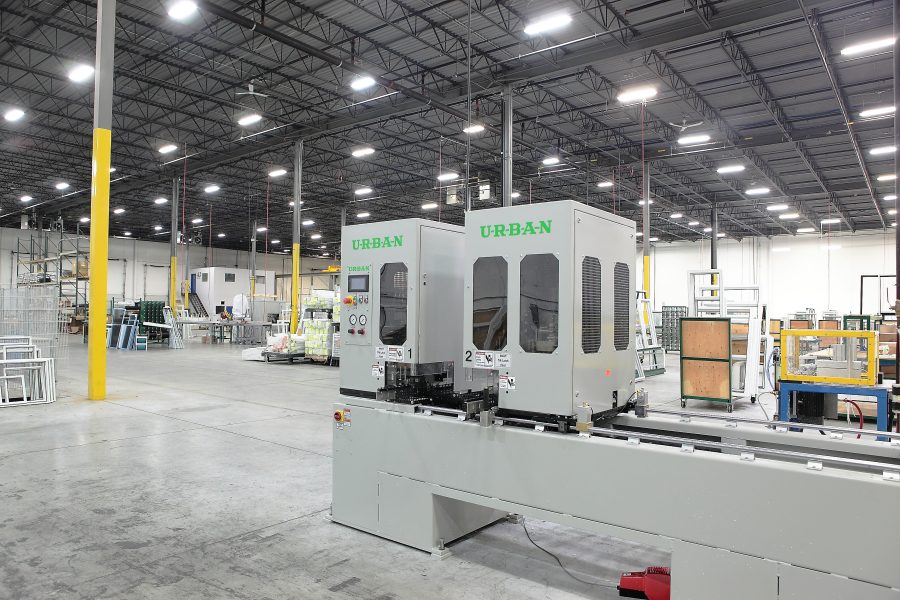
A high-quality window is a complete system.
The frame, glass, coatings, seals, reinforcement, hardware, drainage, manufacturing process, and quality control all need to work together.
When comparing window and door manufacturers in Ontario, look for a company that can demonstrate:
- modern manufacturing capabilities
- independently tested performance
- products designed for Canadian conditions
- energy-efficient glass options
- strong frame construction
- appropriate reinforcement
- proper drainage
- a range of product styles
- clear technical support
- consistent manufacturing quality
At Stage Windows & Doors, these elements come together through precision manufacturing, tested window systems, NFRC-certified production processes, NAFS-tested configurations, multiple glass packages, engineered PVC construction, and a broad range of windows and doors for Canadian homes.
Because the goal isn’t simply to choose a window that looks good today.
It’s to choose a window built to perform for years to come.
Ready to find the right windows and doors for your home?
Explore Stage Windows & Doors products or connect with us to find the right window, glass package, and door system for your project.